How to ship a lost item abroad
Prohibited items, customs outside the EU, rates and delivery times: the rules and tips for returning a lost item to another country without the parcel coming back.
· 2 min read

Aerosols, batteries, cash, weapons: the list of frequently forgotten items that cannot be shipped in a parcel, and the restrictions specific to certain countries.
Published on · 3 min read · PeeK'in
The items prohibited in parcels differ according to the regulations in force. But most of the following items are refused by all carriers shipping from France. Yet they are frequently found among the items guests leave behind.
| Category | Items refused by carriers |
|---|---|
| Dangerous or messy products | Aerosols, deodorant, perfume, gas, lighters, nail polish, nail polish remover… Over-the-counter medicines |
| Lithium batteries and cells | Cells, batteries, screens… |
| Money (cash) | Banknotes, coins |
| Weapons | Weapons, ammunition, any bladed item including collectors’ knives |
| Miscellaneous | Counterfeit goods, car parts such as windscreen wipers, candles… |
You therefore need to check the items your guests leave behind carefully before shipping them. If you have to send a toiletry bag, for example, make sure you sort through it first.
These restrictions and regulations exist to limit the risks involved in transport. The aim is to protect the items being transported and to avoid endangering carriers if dangerous items are present.
Your carrier’s general terms and conditions provide more detailed information on shipping restrictions and prohibitions in France.
Other restrictions may apply depending on the destination country. Here are the most notable prohibitions for the destination countries most commonly served by our services:
| Country | Prohibited items |
|---|---|
| United States | Hoverboards, alcoholic beverages |
| Japan | Hoverboards, plant products without certificates |
| Switzerland | Agricultural products and plants |
| South Korea | Fabrics and wool, rice |
| Belgium | Products containing tobacco |
| India | Animal fats and materials, wood and wood products |
As you can see, additional restrictions are generally linked to the culture or specific production of the destination country.
It is essential that the description attached to the parcel is detailed. This allows the carrier to make sure there is nothing dangerous inside.
For example:
You now know which of the most frequently forgotten items are prohibited in parcels. Also check out our tips for shipping laptops, cosmetics, bank cards or cash.
Register your first item in one minute: a 30-minute demo is all it takes to get started.
Prohibited items, customs outside the EU, rates and delivery times: the rules and tips for returning a lost item to another country without the parcel coming back.
· 2 min read
Packaging, carrier, tracking, enclosed message: the details that make shipping a lost item an extension of your service rather than a source of complaints.
· 3 min read
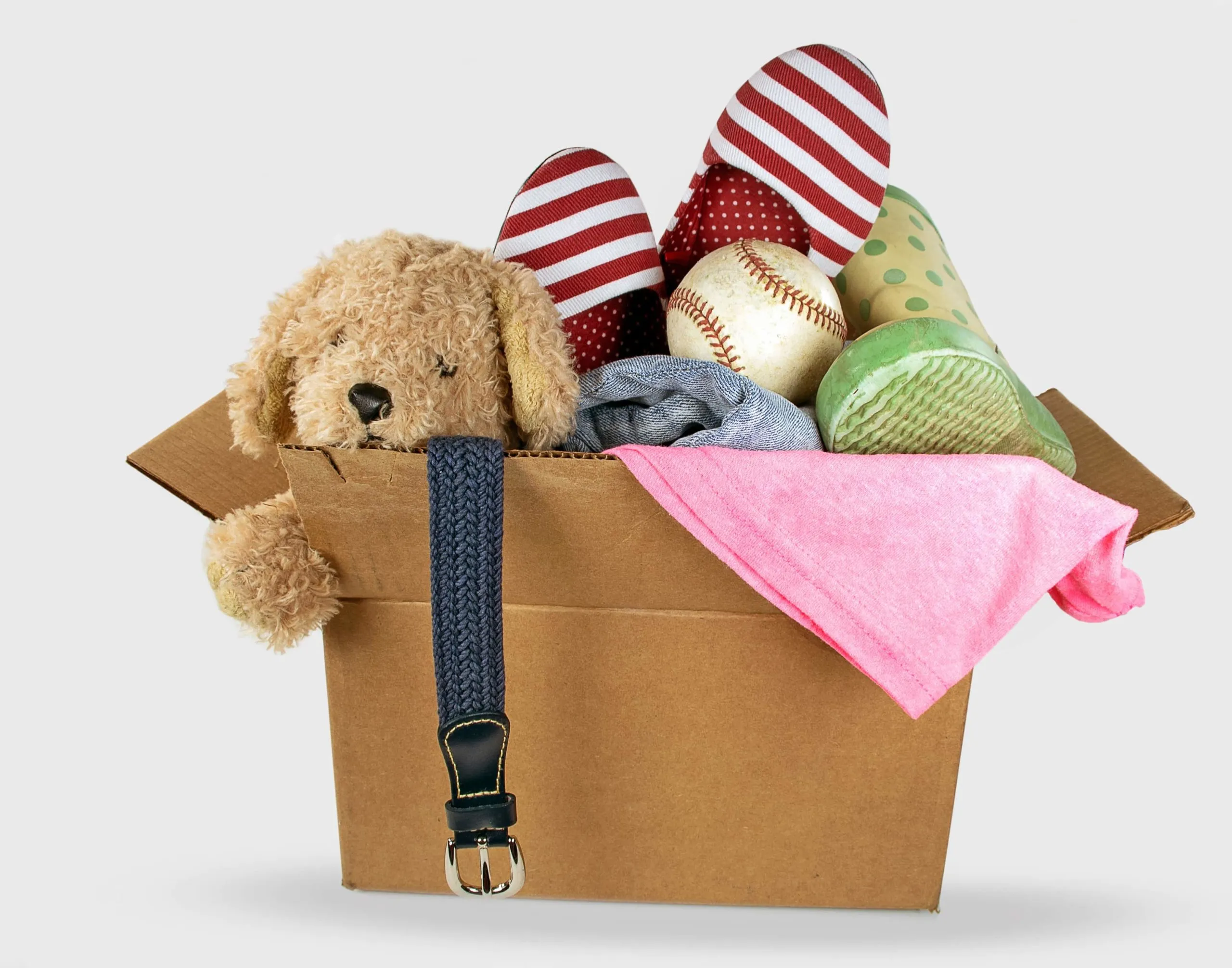
Storage, responsiveness, paying for shipping: the best practices professionals use to make lost and found a driver of satisfaction rather than a point of friction.
· 3 min read